The observations below are our spectator suggestions; the pars and compact feature notes come from Adare Manor’s current course tour.
Read the course before choosing a position
The Golf Course at Adare Manor is an eighteen-hole parkland layout on the estate beside the River Maigue. The resort's course information describes elevated greens and closely mown surrounds, useful clues to the recovery shots you may see. The current course tour supplies ordinary course descriptions. Ryder Cup tees, daily hole locations, spectator access and grandstands must be taken from the championship information, not inferred from a visitor golf round.
For a first visit, separate understanding a hole from claiming a viewing place on it. You may want to study a risk-and-reward drive, but the permitted public position could offer a better look at the approach. Consult the spectator map and marshals on the day. Keep a flexible second choice rather than relying on one rail position being available when your match reaches it.
Match play also changes the value of a place. Every contest starts on the opening hole, while a match can finish before the eighteenth. An early-hole location gives you a chance to see matches that never reach the finish. A late-hole position may deliver a dramatic conclusion, but can also involve waiting for a game that has already ended. That trade-off should shape your route.
Hole 1: par four — opening decisions
Feature to notice: left bunker; water before the green. Start by watching the interaction between the tee shot and the next decision, rather than judging the drive only by distance. In foursomes, partners must live with one another's position; in fourballs, a ball already safely placed can free the other player to take a different line. Our viewing suggestion is to prioritise a clear look at one phase of the hole over a crowded glimpse of both. Keep quiet early: the opening swing matters just as much as a closing putt.
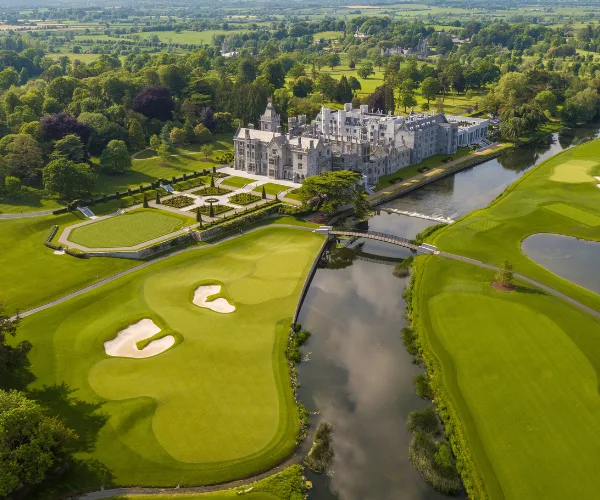

Hole 2: par four — the creek
Feature to notice: creek left. This is a good prompt to think about risk in relation to the opponent's ball. A player behind in a match may feel differently about a difficult shot from someone protecting an advantage. Listen for the score before predicting what a competitor ought to do. If you choose an approach view, watch where the ball finishes as well as where it lands. Recovery and putting can explain a result more clearly than the first cheer you hear from another part of the hole.
Hole 3: par four — trees shape the options
Feature to notice: trees to the right. Golf viewed from behind the ropes sometimes makes a blocked line look much simpler than it is. Watch the player's preparation, the direction of any recovery and the next shot that follows. Our suggestion is to use this hole to follow a whole sequence rather than collecting a photograph of a famous name and moving immediately. A sideways recovery can be the sensible way to preserve a chance in the match, even when the crowd wanted a spectacular attempt.
Hole 4: par three — a compact target
Feature to notice: smallest green; river behind. A short hole can offer a more contained contest for spectators who prefer to understand each shot. Choose the permitted position that lets you see the target and remain there while the group plays. The result is not settled when the ball reaches the green: a difficult first putt can still put pressure on the opponent. In match play, compare the two positions rather than assuming the ball nearest the flag has already won the hole.
Hole 5: par four — choosing how much to take on
Feature to notice: a corner over trees and bunkers. Our interest here is the discussion between player and caddie, or between partners, before a decision becomes visible. You cannot hear every conversation, but you can watch the routine and the selected line. The match situation adds another layer: a side needing momentum may value the potential reward differently. Do not cheer in anticipation while a ball is still travelling towards trouble; wait to understand the result and give the next player room to make a different choice.
Hole 6: par three — committing to the target
Feature to notice: water around the target. A useful spectator exercise is to identify the player's intended landing area, rather than treating every shot away from the flag as a mistake. The daily hole location and conditions determine the sensible target. Find your place before the group arrives and avoid changing position during the tee-shot routine. If somebody in your party wants a break from walking, a permitted short-hole view may provide a more settled spell of watching than trying to chase every match.
Hole 7: par five — a decision in stages
Feature to notice: water right; sloping green. Follow how the first shot changes the possibilities for the second. In fourballs, one partner's safe ball may alter what the other attempts, making this format especially interesting to watch without needing a long explanation of technique. Our suggestion is to commit to the part of the hole you can see well. A late rush towards the green may lose both a good approach view and the putting view you hoped to gain.
Hole 8: par four — pressure from both sides
Feature to notice: creek left; pond right. Watch the pattern of choices across several matches if your route permits a settled position. One player may prioritise an angle, another a preferred club for the approach. Those differences are more instructive than treating the longest drive as the best one. Keep an eye on nearby play as well as the match directly ahead; several active contests can create a need for quiet at moments when your own group is only walking.
Hole 9: par five — a long front-nine finish
Feature to notice: fairway bunkers. Halfway through a round is a natural moment to look at the match score and decide whether to continue following. You might remain with an evenly balanced contest or take a planned break before another group reaches your position. Avoid making the decision in a bottleneck. Let people pass, check the official routing and choose a place to regroup that does not obstruct a crossing or a staff working area.
Hole 10: par four — a different putting problem
Feature to notice: a green of varying width. This is a reminder to watch the first putt with attention rather than leaving as soon as the approach lands. The apparent closeness of a ball from your angle may conceal a difficult route to the hole. A conceded putt also ends that part of the contest differently from stroke play. Let the players and officials establish what has been conceded; spectators should never call a putt good on somebody else's behalf.
Hole 11: par three — the river without bunkers
Feature to notice: no bunkers; River Maigue right. A hole does not need sand to create a compelling match-play problem. Watch the chosen side of the target and the resulting putts. Our preference for a spectator wanting a quieter technical spell is to settle where permitted and compare consecutive matches, rather than moving with every wave of noise. If you do move, wait until the relevant shots are complete and use the marked route instead of following a player's direct line.
Hole 12: par five — weighing the next shot
Feature to notice: dogleg; bunkering. By this stage, the number of holes remaining becomes a more urgent part of the score. A side down several holes may need to create chances while its opponent may favour a less demanding route. That is interpretation, not a forecast of any captain's tactics. Follow the actual match, identify whose ball is in play in foursomes, and avoid losing the narrative by checking every other score after each stroke.
Hole 13: par four — using an approach angle
Feature to notice: a fairway bunker. Our suggestion is to concentrate on how the second shot changes the putting contest. An approach that leaves a manageable birdie chance can create pressure before the opponent has hit. Stay aware that the green's shape and the daily pin matter more than its appearance in an advance photograph. The official hole location information and what you can see on the day should guide your understanding; no advance guide can choose the day's winning shot.
Hole 14: par four — the narrowing match
Feature to notice: the round tree on the right. Use a distinctive feature to orient yourself on the official map, without treating it as permission to stand wherever you wish. The event routing decides public access. At this point some matches may be close to finishing while others remain finely balanced. Check whether your chosen contest can mathematically reach the closing holes before deciding to abandon a useful view in search of a final-green moment.
Hole 15: par four — a short-hole temptation
Feature to notice: driveable green; river right. Risk and reward can become especially vivid late in a match. A safe ball already in position may change the other side's options, and a player needing to win a hole may take a different approach from someone satisfied with a half. Watch what is actually attempted rather than deciding beforehand that everyone must drive the green. If the permitted view is crowded, favour a safe clear position over squeezing closer at the expense of others.
Hole 16: par three — the hole location matters
Feature to notice: a particularly long green. This is a useful place to stop equating the par with a fixed level of difficulty. Players respond to the day's target, conditions and the opponent's position. If a match ends here, let the competitors and officials complete the moment without rushing across a restricted area for a better photograph. You can enjoy the celebration and still leave a clear route for the next match, staff and spectators who are moving on.
Hole 17: par four — a late test
Feature to notice: a more forgiving left recovery. A match arriving here carries a particularly clear question: can the trailing side stay alive, or can the leader close it out? Remember that a hole halved can be enough to end a contest. Learn the dormie-style situation from the score rather than assuming only a winning putt can finish matters. Our viewing advice is to stay until the outcome is clear before joining the movement towards the last hole.
Hole 18: par five — only if the match reaches it
Feature to notice: river left. The final hole is an attractive prospect, but match play supplies no guarantee that every game arrives. If you choose to wait here, accept that uncertainty as part of the experience. An all-square contest may deliver the drama you hoped for; a completed match elsewhere may decide the team result first. Watch respectfully and let the actual competition provide its own ending rather than expecting a scripted finish.
Turn the course reading into a manageable day
Choose between following one match, remaining in a permitted position, or mixing the two with a planned break. Each approach has a cost: following means movement and possible obstructed views, while staying put means seeing only part of the course. Families and anyone managing limited stamina should choose the pattern that leaves energy for the return journey. Our accessibility guide points to the organiser's published help.
Read the Adare Manor venue guide before setting out and use the event transport page to plan departure from your room. Book accommodation around the transport you intend to use. A comfortable base in Adare or Limerick lets you concentrate on the matches rather than the question of how you will get back afterwards.
Keep the match narrative clear
If you are following a group, note the score when you join it and check again after each completed hole. In foursomes, identify the side rather than assuming the golfer who hit the tee shot will also play the approach. In fourballs, remember that two balls on one side can create different levels of risk. You do not need specialist swing knowledge to enjoy those decisions; a clear understanding of the score is enough to make the next shot compelling.
Find accommodation for your visit
Some links earn us a small commission at no extra cost to you. Affiliate disclosure.
Sources and useful official links
Useful reading for your visit
You might also like
Ryder Cup 2027: Tickets, Dates & Hotels
Build a Ryder Cup break around Limerick, Adare and your ticketed days.

Ryder Cup 2027 Accommodation: Adare & Limerick
Our suggestion: start with Adare for proximity or Limerick for a city base, then match the room to your confirmed tournament transport. The Ryder Cup competition runs from 17–19 September 2027, within the official event week of 13–19 September.
Adare Manor visitor guide
Adare Manor is the 2027 Ryder Cup venue, with Limerick the main city base to compare against staying in Adare itself. Secure an official route to admission first, then choose accommodation around the confirmed event transfer rather than a hoped-for journey.
Ryder Cup 2027: Tickets, Dates & Hotels